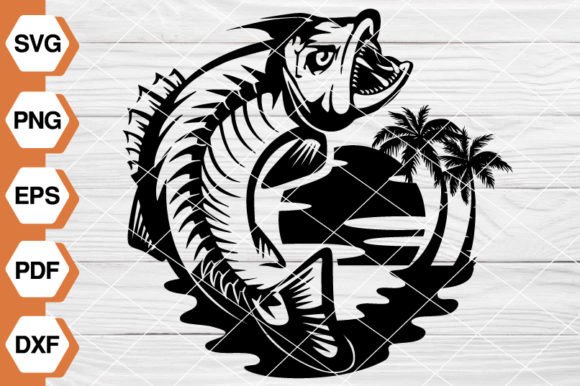
Fishing Skeleton Graphics & Illustrations
Fishing Skeleton is a versatile graphic design asset that offers a unique visual identity for content creators, bloggers, and digital publishers. With its clean lines and striking imagery, it’s ideal for editorial design, web design, and content marketing projects that require a strong visual presence.
First Impressions: A Visual Statement
Fishing Skeleton immediately catches the eye with its bold, minimalist style. The illustration feels modern and artistic, making it suitable for niches like outdoor lifestyle, fishing guides, or creative publishing. Its aesthetic leans toward a lifestyle-focused approach, blending creativity with practicality. It’s not overly playful or decorative, but it carries enough visual interest to stand out in a crowded digital space.
This design asset can help set the tone for content that needs to feel both professional and engaging. It’s perfect for blogs, digital guides, and social media graphics where visual storytelling plays a key role.
Real Publishing Use Cases
Fishing Skeleton works well as a blog graphic or featured image. Its high-resolution files make it ideal for website headers, Pinterest pins, and article thumbnails. Publishers can use it to create consistent branding across multiple platforms, ensuring that visuals align with the overall content strategy.
It also serves as an effective social media graphic. Whether used as a Twitter header, Instagram post, or Facebook cover, Fishing Skeleton adds a polished look to any digital presence. As a Canva template, it can be easily customized to match brand colors and typography, saving time during the design process.
For downloadable resources like worksheets, eBook covers, or lead magnets, Fishing Skeleton provides a professional-looking foundation. Its vector format allows for scalability without loss of quality, making it ideal for printables and digital downloads.
Supporting Content Performance
Using Fishing Skeleton in editorial design helps strengthen the first impression of a piece. A visually appealing graphic can increase click-through rates and keep readers engaged longer. Its clear visual hierarchy makes it easy to integrate into layouts, whether as a standalone image or part of a larger composition.
This design asset supports better brand identity by offering a cohesive visual language. When used consistently across blog posts, newsletters, and social media, it reinforces a professional image that builds reader trust. It also improves category recognition, helping audiences quickly identify content related to outdoor activities, fishing, or creative design.
As a digital product, Fishing Skeleton is valuable for content marketers looking to enhance their visual strategy. It can be used in affiliate marketing materials, promotional banners, or ad creatives to attract attention and drive engagement.
Where Fishing Skeleton Shines
Fishing Skeleton excels as a hero image or article thumbnail. Its high-quality resolution ensures it looks sharp on desktop and mobile screens, making it ideal for content that needs to perform well on all devices. It also works well as a Pinterest pin, increasing the chances of discovery and repinning.
As a blog graphic or editorial accent, it adds visual interest without overwhelming the layout. It can be used as a background element, header image, or section divider to break up text and guide the reader’s eye through the content.
For downloadable resources like digital guides or printable checklists, Fishing Skeleton offers a professional finish that elevates the user experience. It’s also great for newsletter headers, where a strong visual can improve open rates and reader engagement.
Where to Use with Caution
While Fishing Skeleton is a powerful design asset, it may not work well in every scenario. On small mobile thumbnails, its detail might get lost, so it’s best to test it at different sizes. In text-heavy blog images, it could distract from the main message, so use it sparingly.
On low-contrast backgrounds, the design may not stand out as intended. It also doesn’t fit well in busy layouts or serious professional niches that prefer minimalistic visuals. For corporate websites or content that requires a very clean visual system, this asset may not be the best choice.
Publisher Notes: Testing and Optimization
Before using Fishing Skeleton in real content, test it on both desktop and mobile screens. Check how it looks as a thumbnail and preview it inside a real blog layout. Ensure it works well with headline text, and review the contrast and readability against different background colors.
Try it in black and white to see how it holds up without color. Place it beside different font styles—serif, sans serif, script, handwritten, and display—to find the best pairing. Also, check the file size for web performance and compress images properly before uploading.
Confirm the commercial license before using it on monetized websites, affiliate pages, or paid content products. Make sure it aligns with your brand guidelines and content strategy.
Final Thoughts: A Valuable Addition to Your Design Toolkit
Fishing Skeleton is more than just a graphic design asset—it’s a tool that can elevate your editorial design, web design, and content marketing efforts. Whether you're creating blog graphics, social media visuals, or digital guides, it offers a clean, modern aesthetic that resonates with today’s audiences.
With its wide range of file formats and high-resolution quality, it’s ready to use in any creative project. INSTANT DOWNLOAD Download all 5 files below. - 1 SVG File - 1 PNG File - 1 EPS File - 1 PDF File - 1 DXF File Digital file this all welded together High resolution files Can be printed on anything suc is a solid foundation for publishers looking to enhance their visual storytelling and brand identity.